

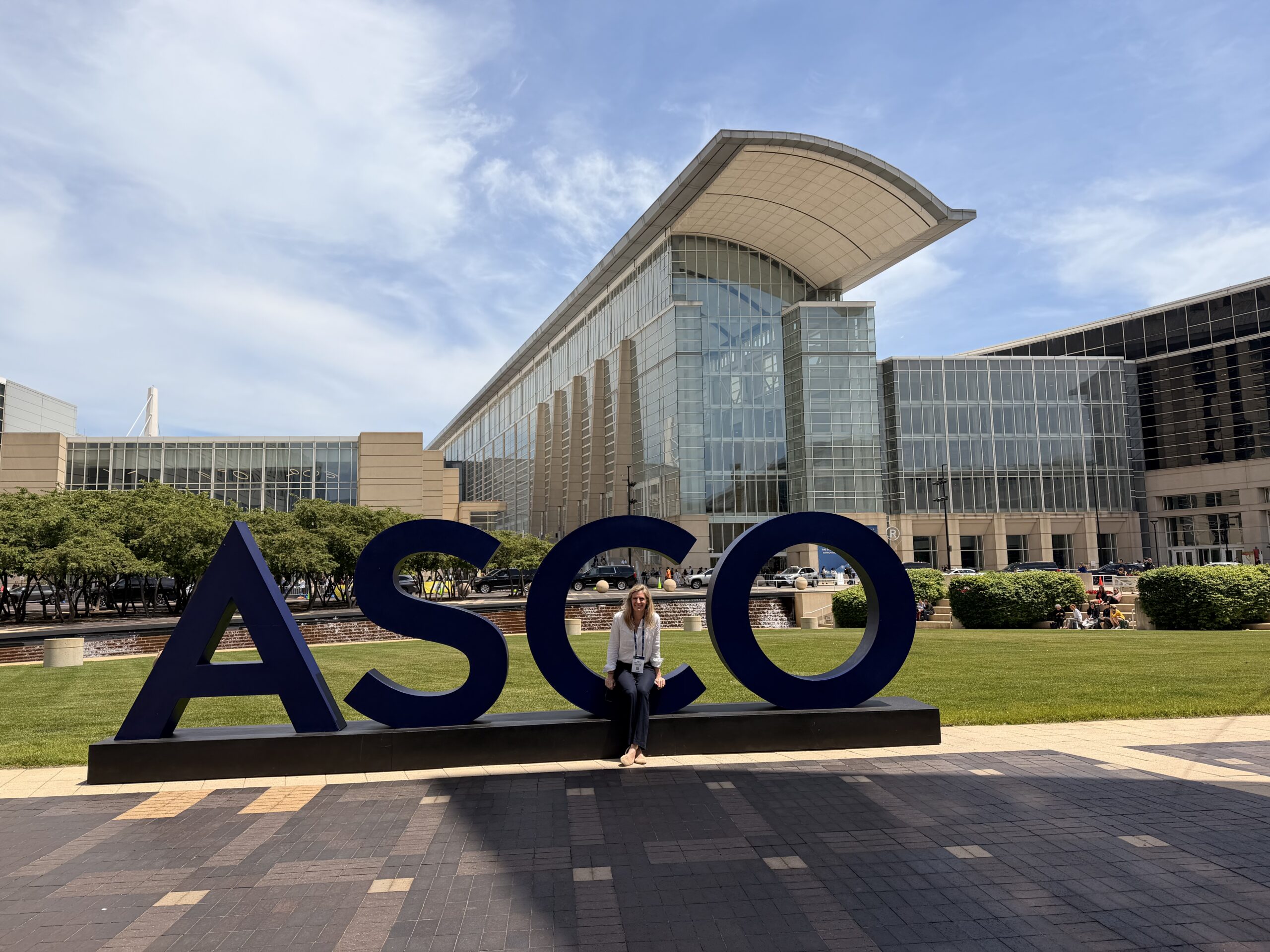
ASCO 2026 made one thing clear: oncology is no longer defined only by scientific novelty, it is being shaped by how quickly innovation is translating into meaningful change in clinical practice. This year’s meeting felt less like a collection of individual data drops and more like an inflection point, with signals across tumor types pointing to a field moving with greater precision, more therapeutic ambition, and a stronger focus on real-world impact.
From Spectrum Science’s vantage point, the strongest throughline was not any single abstract, but the convergence of several broader narratives already reshaping the cancer landscape: platform therapeutics reaching new maturity, precision tools becoming operational drivers of care, immunotherapy evolving into a more strategic and earlier-line discipline, and long-standing targets once considered unreachable beginning to yield. What emerged was a picture of oncology advancing not just through more data, but through more actionable science.
The Themes That Defined the Meeting
- Platform therapeutics are reaching new levels of maturity. At ASCO 2026, antibody–drug conjugates, bispecific antibodies, cell therapies, and radiopharmaceuticals all showed evidence of broader reach and stronger clinical confidence. What stood out was not just efficacy, but where these modalities are now showing up: in more tumor types, in earlier lines of therapy, and in combinations designed to move them from promising innovation to practical standard of care. That shift matters because it signals a field increasingly comfortable with these platforms as foundational tools, not future bets.
- Precision medicine is becoming more dynamic, data-rich, and operational. This year’s meeting reinforced that biomarkers are no longer supporting players in oncology. Tools such as ctDNA-based minimal residual disease assessment, liquid biopsy, and AI-enabled diagnostics are increasingly shaping how clinicians monitor disease, stratify risk, and make treatment decisions in real time. The implication is significant: precision oncology is moving beyond static mutation testing and toward a more continuous model of decision-making, where data informs not only what therapy to use, but when to escalate, de-escalate, or intervene earlier.
- Targeted therapy is being refined for greater durability and broader ambition. ASCO 2026 highlighted how the field is getting smarter about sequencing, combining, and extending targeted approaches. The energy around RAS-directed science was especially notable, underscoring how quickly the narrative can shift once a historically elusive target begins to show real clinical traction. More broadly, the meeting reflected a growing confidence that resistance mechanisms can be addressed with better combinations and that targeted agents belong not only in late-line settings, but increasingly in earlier, potentially curative disease states.
- Immunotherapy is entering a more strategic next phase. Rather than simply expanding checkpoint inhibition, the conversation at ASCO focused on how to make immunotherapy work better, in more patients, and earlier in the disease course. Combination strategies, novel immune targets, and perioperative use all pointed to a more mature era of immuno-oncology, one defined less by broad enthusiasm and more by sharper clinical intent. The most compelling data were not just about activating the immune system, but about using it more precisely to improve long-term outcomes.
- Translation into practice is becoming a competitive differentiator. One of the most important signals from ASCO 2026 was that the field is paying closer attention to what happens after innovation proves itself in a study. Real-world evidence, access, implementation, and global applicability are becoming central to how progress is judged. That is a meaningful shift. In a landscape crowded with strong science, the stories that break through will increasingly be the ones that show not only what is novel, but what is scalable, relevant, and ready to matter beyond highly controlled trial settings.
What This Means Now
The strongest oncology narratives coming out of ASCO 2026 will be the ones that connect data to momentum already building in the field. That means understanding not only what was presented, but what it signals about the next chapter: where competition is intensifying, where treatment paradigms are shifting, and where stakeholders are likely to focus next. For companies preparing post-ASCO communications, the opportunity is not simply to recap results. It is to frame those results within the broader trajectories that now define oncology’s direction.
The teams that stand out are the ones that understand the story before the broader market fully catches up to it. If you are shaping messaging, preparing spokespeople, or pressure-testing how your data fits into the themes now gaining traction, Spectrum Science can help turn scientific relevance into strategic momentum.
Perspectives

Communications
J.P. Morgan Healthcare Conference 2024: Unity and Hope Amid Industry Challenges
Communications
Attending HLTH 2024: Where Networking, Brand Boosting and Cool Collide

Communications
A Reflection on Mentoring Future Biotech Communicators

Communications
Top 5 Ways Consumer Brands Make an Impact at Medical Meetings